








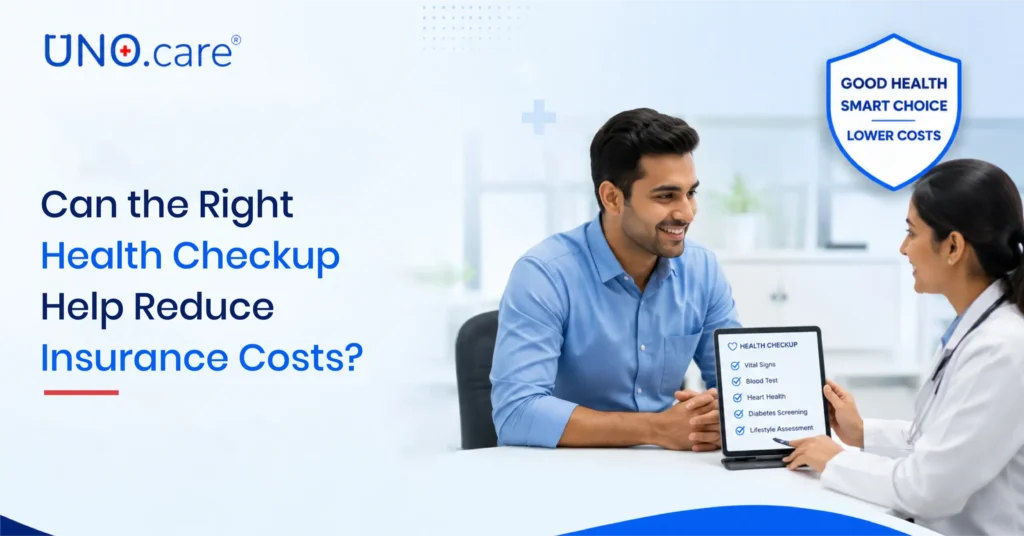
When you talk to the majority of materials management directors, environmental/safety officers, or HR directors about their annual health monitoring programs’ results, they probably would say something along the lines of: “We complied with the requirements of the Factory Act and completed pre-employment medical examinations, and all boxes checked and records archived.” You would, more than likely, not hear them say, “It has reduced our insurance renewal.” The gap between treating health monitoring as simply a compliance necessity versus utilizing health monitoring as a financial lever presents one of the greatest missed chances for Indian companies managing workforce health today.
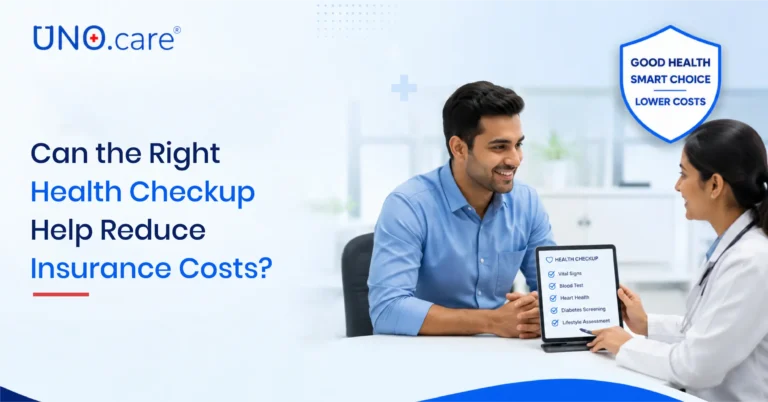
When structured correctly, the right corporate health monitoring programme (and included within an appropriate functional health data framework) will financially affect the economics of insurance. That is: significantly, obviously and long-term.
The “right” corporate health monitoring programme is based on the varying intents of the different health monitoring programme packages. Therefore, the structure of each health monitoring programme package varies significantly in the degree of appropriate health intelligence that contributes to substantial cost discussion regarding the company’s insurance cost.
In order to effectively utilise workforce health to reduce insurance costs, it is imperative to recognise the differences between strategic preventative health examinations versus routine screening (post-employment) examinations.
Why Health Checkups and Insurance Costs Are More Directly Linked Than Most Realise
The cost of group health insurance in India is based on the number and severity of claims. Renewal premiums will increase when the frequency of claims increases; therefore increasing the cost to the insurance company. The conditions that generate the most expensive claims, such as cardiac hospitalization events, diabetic complications, advanced kidney disease, and late-stage cancers, are usually preventable or manageable conditions that have gone undetected for years before being diagnosed.
This provides the financial logic for providing preventive health checkups; it’s not just a health benefit but rather a way of providing an early warning system to identify the risk and minimize the cost of that risk before it becomes a claim.
Think about the costs in insurance terms for being undiagnosed; someone with undetected hypertension and an early diagnosis of metabolic syndrome is currently classified as low cost, but in three years, once they have had their first heart attack and are going for bypass surgery, that person now has caused distortion of the group insurance loss ratio for a mid-sized company based on their claim alone. Now multiply that across a 500- or 5,000-person company, and the total loss to the insurance company from undiagnosed chronic disease risk would be substantial and avoidable.
Preventive health check-ups can stop that trend; however, they must be correctly designed to provide the appropriate information and ensure that the appropriate follow-up takes place.
The Design Failures That Make Most Health Checkups Ineffective
Corporate health checkup programs in India have a painful reality to face… they were made for completion – not for action! The standard operating procedure looks something like this: An outside company is engaged as a diagnostic partner. Employees go through a series of tests at an onsite health check-up camp. Reports are produced either in paper form or as single PDFs of the employee. Employees then retrieve their respective reports with the results of tests that may indicate areas of concern (elevated blood sugar, elevated lipids and/or elevated blood pressure), but these flagged results will likely remain in an employee’s files with no one doing a systematic review of these flagged areas of concern. There is also very little clinical follow-up on these flagged areas of concern. There is no longitudinal data tracking to identify any progress on these flagged areas of concern. There is no aggregated risk-based intelligence to guide us with our future decisions regarding employee health management.
From a health outcomes perspective, this is absolutely inadequate and from the perspective of insurance costs, this situation is even worse as it gives the impression of health being proactively managed by your company when in fact it is doing nothing to enjoy the financial advantages that surely should be derived from a legitimate and successful preventive healthcare programme.
It is not that the Health Check-up itself failed; the failure is that nothing proceeds from it, such as structured data collection, risk stratification, routing for clinical interventions and trend analysis on a year-to-year basis. The aforementioned items are the critical elements that turn a health check-up from being merely a compliance occurrence to being a cost-saving tool for insurers.
What a Strategically Designed Preventive Health Checkup Actually Covers
Although the clinical content of a health checkup is very important, it does not tell the whole story. The difference between a health checkup package designed to provide preventive impact and a basic annual health checkup is in the combination of scope, data quality, and downstream processes.
Scope is based on actual risk profiles. The working-age population in India has a defined chronic disease burden—specifically a growing prevalence of type II diabetes, hypertension, dyslipidemia and non-alcoholic fatty liver disease—most of which occur without symptoms and create expensive complications when left untreated. An Indian enterprise workforce should have as a standard component of their full body check up metabolic panels, cardiovascular risk markers, organ function assessments, as well as age-appropriate cancer screening indicators—these are not simply “premium” items added to one’s health checkup.
Occupational health parameters such as spirometry, audiometry, and exposure specific testing should also be used to address an industrial workforce’s risk profiles due to their work environment (i.e., manufacturing or chemical).
Quality data allows for aggregation of individual checkup reports useful for the employee but only provides value to the employer from an understanding of population-level risks if that data is able to be aggregated, anonymized and analyzed at the workforce level with standardized test panels, digital data capture and a platform to convert the individual health record into population health intelligence.
Most critical component of design is follow-through that closes the intervention loop. Employees with flagged results must be directed into the appropriate care pathway – whether that be a referral for further investigation, enrollment into a condition-management program or a follow-up consultation at the OHC. A checkup that produces a flag without any follow-through is incomplete from a medical perspective and worthless from a profit perspective.
How Health Checkup Data Strengthens Insurance Renewal Negotiations
The availability of structured, longitudinal, aggregated and analytically accessible health checkup data changes the group insurance market.
Group medclaimes are priced based on an insurer’s estimate of total health risk of the insured group. Historically, this estimate has been based upon claims data from the previous twelve months; however, organisations that can provide health checkup data to supplement claims data can present a much fuller risk description.
At renewal time, if an organisation has access to three years of periodic health checkup data, indicating a decrease in the number of people with uncontrolled hypertension, improvement of their metabolic health markers and increased levels of early detection for medical conditions requiring intervention, then the organisation has proof that its risk is decreasing, even when last year’s claims are taken into account. This is a significant piece of structured data that allows sophisticated underwriting to include this evidence in their pricing model.
There are also some more direct ways. Premium discounts or better terms based on documentation of preventive health efforts, such as demonstrated adherence to checkups, participation in health risk assessment programs, or enrolment in chronic disease management programs, are common features of many group insurance policies offered in India. This provision was made specifically due to insurers’ knowledge that organizations involved in prevention will be generating less claims in the long term, and it makes sense for an insurer to encourage them in such a behaviour.
The Tax Dimension: An Underutilised Benefit for Corporate Health Checkup Investment
A potential financial advantage that many companies overlook in calculating their return on investment from employee health checkups should also be mentioned.
The cost of preventive health checkup can be claimed as a tax deduction under Section 80D of the Income Tax Act, up to ₹5,000 a year for an individual, which includes self and family checkups. In case of companies offering organized employee health checkup packages within a wellness program, this tax reduction translates into tangible savings.
In general, preventive healthcare spending recorded can also be considered an investment into wellness infrastructure that could have certain tax implications for companies worth considering with finance. This is one aspect of wellness program business cases that is largely underrepresented by HR, and maybe should be taken into consideration.
The Infrastructure Behind Making This Happen at Scale
This is where the theory of our approach intersects with the operational reality that many Indian companies face: running a health check-up program in a way that creates valuable health insights, maintains consistent clinical standards, and creates a follow-up system is no easy feat.
A fragmented vendor ecosystem, inconsistent quality of tests performed, manual OHC records, and lack of integrated health data systems are some of the obstacles standing in the way of most businesses being able to move from health check-ups for compliance to health check-ups as a strategy for health management.
This is the gap that UNO.Care addresses.
Transforming Health Check-Ups into Data-driven Health Intelligence for Insurance Purposes at UNO.Care
UNO.Care is India’s AI-based workplace health and wellness platform tailored exclusively to the complex operations of large organizations in manufacturing, pharmaceuticals, OEMs, PSUs, and corporate multi-site environments.
The corporate health check-up network at UNO.Care brings together pre-employment health checks, periodical health screenings, and statutory occupational health checks under one umbrella platform — delivered through a consistent NABL/NABH partner diagnostic process, nationwide coverage, and an AI-based reporting capability that transforms employee health check-ups into meaningful data-driven population health intelligence.
Through its UNO.360 OHSW platform, HR managers, EHS managers, and plant managers have access to real-time health risk profiling information including flagged health conditions, trends, health risk cohort segmentation, and compliance with health checks across all locations. This is the data-driven foundation that ensures your insurance conversation takes a fundamentally different turn than last year’s claims defense.
This carries over into the individual-level experience via UNO.Care’s employee health application, which provides personal health histories, reminder notifications, and health engagement features for keeping preventive healthcare ongoing rather than sporadic, since even a high-quality annual camp experience will still be one-and-done. Continuous insurance benefits necessitate continued health engagement.
The enterprise that has had difficulty maintaining a high level of checkup quality in its multiple sites, or deriving valuable analysis from isolated diagnostic results, UNO.Care’s full service solution fixes the operations problem that stops most health checkup programs from realizing all of their monetary potential.
Who Should Be Having This Conversation Internally
At the end of the day, making the case for a thoughtfully crafted preventive health checkup program is as much an economic argument as it is a health argument – and should go far beyond the HR department.
CHROs or EH&S Directors normally sponsor the programme. However, those who would directly gain from the benefits arising from the reduction in insurance costs case are the CFOs and their finance teams, since they endure every year with rising group mediclaim renewals but do not have any lever to pull. In addition, plant managers and operations managers also have a share in the benefits since health is an important issue related to absenteeism and productivity and unplanned downtime caused by medical issues.
In such cases where all these different departments come together with the common objective of lowering the cost of poor health among the workforce, then a solid argument exists for shifting from mere compliance health check-up to strategic employee health checkup programmes.
A corporate health checkup that fails to identify any risks, fails to take any follow-up action and generates results that no one analyzes for trends is an investment without any gains. A corporate health checkup aimed at identifying risks, directing them into interventions, and helping form a picture of long-term workforce health is another matter altogether — one that clearly lowers insurance premiums, because it reduces the number of claims made.
Corporate health checkup that simply takes care of the health of your employees is not enough. A true corporate health checkup takes care of protecting the company against the adverse effects of unhealthy employees. This should be the focus of your corporate health checkup program.
Are you ready to move from merely checking off regulatory box checkups to setting up a corporate health infrastructure that actively works to lower your exposure? Get a demo of UNO.Care’s revolutionary AI-based corporate health checkup platform.